
White-Hat Link Building: How to Earn Links Safely
Backlinks remain one of the strongest signals of authority in SEO, but how you build them matters enormously — the wrong approach can get you penalised and wipe out months of progress. This guide explains white-hat link building: how to earn genuine, high-quality links that lift your rankings safely and durably. It’s the only approach we use, because it’s the only one that builds authority without putting everything at risk.
- Backlinks are a top authority signal, but how you build them is critical — bad links get you penalised.
- Quality vastly outweighs quantity: one great relevant link beats hundreds of spammy ones.
- White-hat links are earned through genuine merit — relevance, authority, editorial genuineness.
- Effective tactics: link-worthy content, original data, digital PR, real relationships, quality guest contributions.
- Avoid bought links, schemes, PBNs and mass thin guest posts — they risk catastrophic penalties.
Why quality beats quantity
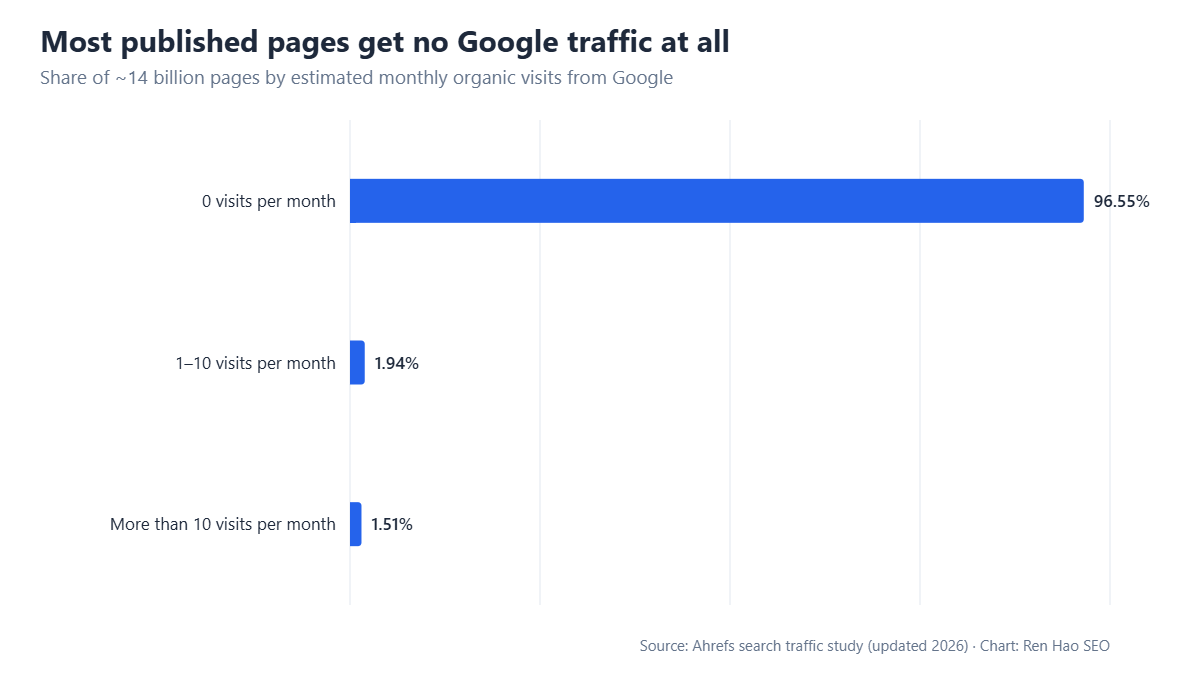
The single most important principle in link building is that quality vastly outweighs quantity. A single link from a respected, relevant site is worth more than hundreds from low-quality or irrelevant ones — and pursuing the latter can actively harm you. Search engines have spent years getting better at recognising manipulative link-building and penalising it, so the era of accumulating cheap links is firmly over.
See also Monthly Link Subscription, which covers the same ground from a different angle.
Many clients pair this with our White Label SEO Services work; the two compound each other.
If you want the practical next step on this point, our guide on Entity SEO: Building a Brand That LLMs Recommend goes into the detail.
This means the entire game is earning genuine, relevant, high-quality links, not maximising volume. It’s slower and harder than spammy shortcuts, but it’s the only approach that builds durable authority you can rely on, as we explain in our link building services.
What counts as a white-hat link
A white-hat link is one earned through genuine merit rather than manipulation — given because your content or business genuinely deserves it. The hallmarks are relevance (the linking site relates to your topic), authority (it’s a credible, trustworthy source), and editorial genuineness (a real person chose to link to you because it added value for their readers).
Contrast this with black-hat links: bought links, link schemes and networks, private blog networks (PBNs), and mass low-quality guest posts. These exist purely to manipulate rankings, violate search engine guidelines, and reliably lead to penalties. The line is simple: was the link genuinely earned, or manufactured to game the algorithm?
White-hat link building tactics that work
The legitimate tactics all share a common root — being genuinely worth linking to. Create content so useful, original or authoritative that people naturally cite it; original research and data are especially powerful, because they make you a primary source others reference. Earn editorial coverage through digital PR by being genuinely newsworthy (see digital PR for links). Build real relationships in your industry. Guest-contribute genuine value to reputable, relevant publications. And get listed and reviewed on the platforms your industry genuinely trusts.
Each of these earns authority the right way — through merit that search engines are happy to reward. They take more effort than buying links, but they compound into durable authority rather than a liability waiting to be penalised.
What to avoid
Avoid anything whose only purpose is to manufacture links: buying or selling links that pass authority, participating in link exchanges or schemes, using PBNs, and mass-producing thin guest posts on irrelevant sites. These violate guidelines and risk penalties that can devastate your rankings — often long after you’ve built them, making the cost arrive when it hurts most.
The mindset that keeps you safe is simple: pursue links you’d be proud to have earned, from sites you’d genuinely want to be associated with, because your content deserved it. That’s white-hat link building, and it’s the foundation of the authority that wins competitive rankings. If you’d like to understand your current backlink profile and where genuine link opportunities lie, a free SEO audit is a good starting point.
What makes a link genuinely valuable
Strip away the metrics theatre and three things decide a link’s value. Relevance: a link from a site and page about your topic passes meaningful signal; a link from an unrelated ‘high DR’ blog passes little and ages badly. Real traffic and real rankings: sites that themselves rank and get visited are sites Google trusts — a domain with big authority scores but no organic footprint is usually a link farm in a suit. Editorial placement: links given because the content deserves them, inside real articles, beat author-bio and directory placements.
One genuinely relevant link from a publication your buyers actually read is worth more than twenty placements bought from metric-inflated domains — and it carries none of the penalty risk.
Link building red flags to walk away from
- 1Guaranteed quantities at fixed prices’10 DR50+ links for $X’ is a commodity link scheme. Google’s link-spam systems are specifically built to neutralise exactly this.
- 2Sites that exist to sell linksCheck the domain’s own organic traffic and content. No rankings, thin generic posts, ‘write for us’ everywhere — that’s a farm, whatever its DR badge says.
- 3Irrelevant placementsA plumbing link from a crypto blog helps nobody. Relevance is the filter that protects you.
- 4Private blog networksInterlinked site networks built to pass authority are the highest-risk tactic in SEO; penalties remove years of equity overnight.
- 5Anchor-text over-optimisationA natural profile is mostly brand and URL anchors. Pushing exact-match commercial anchors is a pattern Google has been demoting for a decade.
Why white-hat compounds while shortcuts decay
Link schemes have a shelf life: every core update and link-spam update neutralises more of them, which means bought authority is a depreciating asset that can go to zero. Editorially earned links do the opposite — they keep passing signal, keep referring visitors, and accumulate into an authority moat competitors can’t purchase. The cost difference is real, but so is the asset difference: one is rented, the other is owned.
In the AI era this widens further: answer engines lean on source credibility, and the sites cited are overwhelmingly those with genuine authority profiles. White-hat link building is no longer just penalty-avoidance — it’s how you qualify for the next generation of search surfaces.
A repeatable earned-link workflow
- 1Build one citable asset per quarterOriginal data, a calculator, a definitive comparison — something a journalist or blogger gains by referencing. Assets earn; pitches merely ask.
- 2Find the people who already citeSearch who linked to similar assets (competitor backlink reports show this). They’ve proven they link to your topic — they’re your shortlist.
- 3Pitch the finding, not the companyFifteen-second emails: the headline insight, why their readers care, the asset link. No backstory, no ‘synergies’.
- 4Convert mentions to linksUnlinked brand mentions are pre-agreed citations missing only the href. A polite note converts a meaningful share.
- 5Track relevance, not just volumeA links-per-month KPI breeds junk. Track links from genuinely relevant, trafficked sites — the only kind that compound.
Vetting a link opportunity in five minutes
Before accepting or pursuing any placement, run the five-minute check. Does the site rank for anything? (Search its name plus its topics — invisible sites pass no authority.) Does it have real traffic and a real audience, or only a DR badge? Is the content genuine, or thin posts wrapped around outbound links? Would the page linking to you make sense to a human reader? Is there any ‘write for us / sponsored post pricing’ industrialisation?
Two red flags and you walk. The discipline feels slow until you’ve watched a penalty erase a link profile built without it — relevance and authenticity are not just quality preferences, they’re your insurance.
Google’s official position on links is the baseline for everything here: see Google’s spam policies on link schemes, and Google Search Essentials on earning links through genuinely useful content.
Written by the Ren Hao SEO team and reviewed by Ren Hao, founder and lead SEO strategist. Our guidance comes from real client work — over 100 SEO audits and $1,500,000+ in client sales value generated with white-hat, data-driven methods — not recycled theory.